
Mimosa Tenuiflora Root Bark
Whole, shredded and powdered inner root bark for natural dyeing, soap making and handmade cosmetics. Packed from 500 g to 100 kg, with free standard shipping in the United States.
- Free standard shippingOn every US order
- Dispatched in 1 business dayAfter payment is confirmed
- 500 g to 100 kgCraft and bulk sizes
- Nothing added100% root bark
Choose your root bark
The same bark in three cuts. Pick the one that suits how you work.
-
Mimosa Tenuiflora Root Bark products
Mimosa Tenuiflora Root Bark Whole
Price range: $82.45 through $3,504.45 Select options This product has multiple variants. The options may be chosen on the product page -
Mimosa Tenuiflora Root Bark products
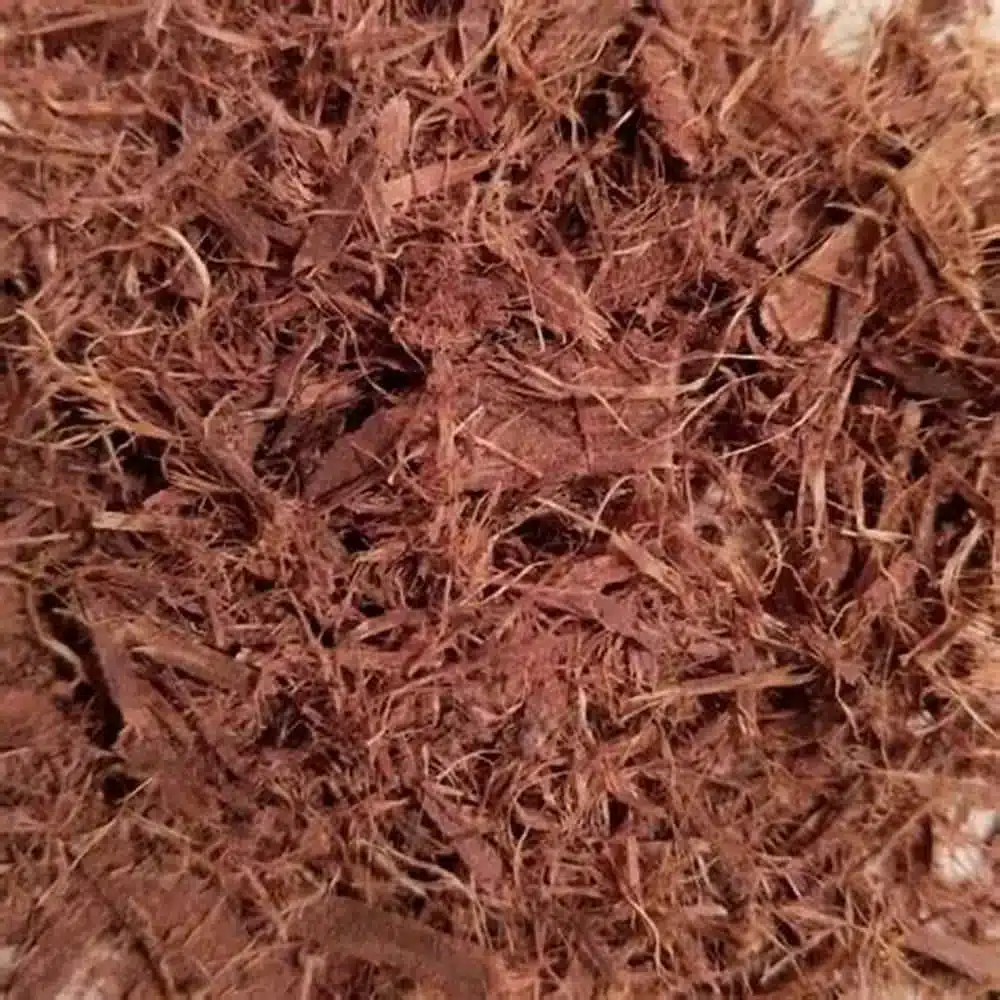
Mimosa Tenuiflora Root Bark Shredded
Price range: $84.19 through $3,578.23 Select options This product has multiple variants. The options may be chosen on the product page -
Mimosa Tenuiflora Root Bark products
Mimosa Tenuiflora Root Bark Powder
Price range: $85.49 through $3,633.57 Select options This product has multiple variants. The options may be chosen on the product page

What is Mimosa tenuiflora root bark?
Mimosa tenuiflora is a hardy tree native to northeastern Brazil and southern Mexico. It is also known by its older botanical name, Mimosa hostilis, and by the common names tepezcohuite and jurema preta.
The inner bark of its roots is unusually rich in tannins and deep red-purple pigments. For generations it has been used to colour textiles and tan leather, and today it is a favourite of natural dyers, soap makers and cosmetic formulators who want plant-based colour.

What it is used for
One raw material, three crafts. The project planner tells you how much to order and gives you the steps.
Natural dyeing
Simmered in water, the bark gives pinks, purples and warm browns on cotton, linen, wool and silk. Its tannins help colour hold on plant fibres, and a little iron shifts shades toward grey-violet. Work out how much you need.
Soap making
The powder colours cold-process and melt-and-pour soap from dusty rose to deep brown. Many soap makers start with about a teaspoon per pound of oils and adjust from a test batch.
Handmade cosmetics
Used as a botanical colourant in masks, scrubs and balms, and listed on labels under its botanical name, Mimosa tenuiflora bark. Always patch test a new formula.
Whole, shredded or powder: which form is right for you?
What our customers say
The Mimosa Tenuiflora Root products have transformed my crafting experience! The quality is unmatched and I love their commitment to sustainability.
Emily Johnson
Amazing product quality! I’ve tried many competitors but none can compare to the purity and effectiveness of MHRB from Mimosa Tenuiflora Root.
Michael Smith
I appreciate the transparency and dedication to sustainability that this company demonstrates. Their products are reliable and of the highest quality.
Sophia Martinez
Frequently asked questions
Is Mimosa tenuiflora the same as Mimosa hostilis?
Yes. Mimosa hostilis is an older botanical synonym for Mimosa tenuiflora. Root bark sold as MHRB, tepezcohuite or jurema preta comes from the same species.
What colours does the bark give?
Mostly pinks, purples and reddish browns. The exact shade depends on the fibre, how much bark you use, how long you simmer and whether you add a modifier such as iron.
Which form should I buy?
Powder for soap and fast dye baths, shredded for dye baths you want to strain easily, and whole bark if you plan to store it for a long time or cut it yourself.
How should I store it?
Keep it in an airtight container in a cool, dry place away from direct light. Whole bark holds its colour strength longest.
How do shipping and payment work?
Standard shipping is free and orders are dispatched within one business day after payment is confirmed. Payment is by Bitcoin (BTC); instructions appear at checkout, and our Bitcoin payment guide walks you through it. See also the shipping policy.
Do you provide lab results or a certificate of analysis?
Yes. Lab results and a certificate of analysis (COA) can be provided on request. Ask through the contact form before or after ordering.
What do you sell the bark for?
We sell it only as a raw material for natural dyeing, soap making and cosmetic crafting. It is not sold for human consumption, and buyers are responsible for following the laws that apply where they live.
Ready to start your next batch?
Order whole, shredded or powdered root bark in the size you need.